It's Time to Get WISE.
 15-Minute Consultation
A quick, honest call to assess your needs and point you in the right direction—no sales pitch. Best suited for:
- Established businesses with a defined marketing budget
- Businesses prepared to grow and scale
 60-Minute Strategy Session
A deep dive with a top expert to uncover gaps and map a smarter path forward.
- Includes a $250 digital audit covering your website, SEO, local presence, and online performance—yours to keep.
- Get smart, actionable ideas you can apply to your business right away.
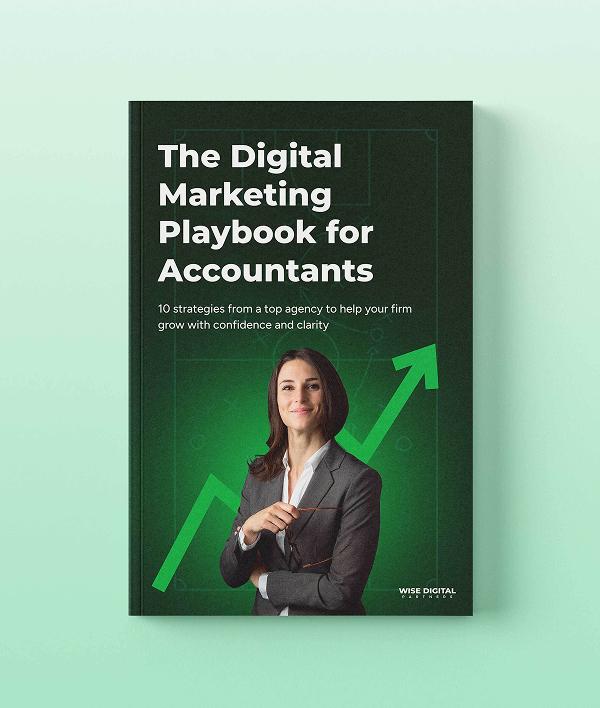
Enter the email you would like your guide sent to:
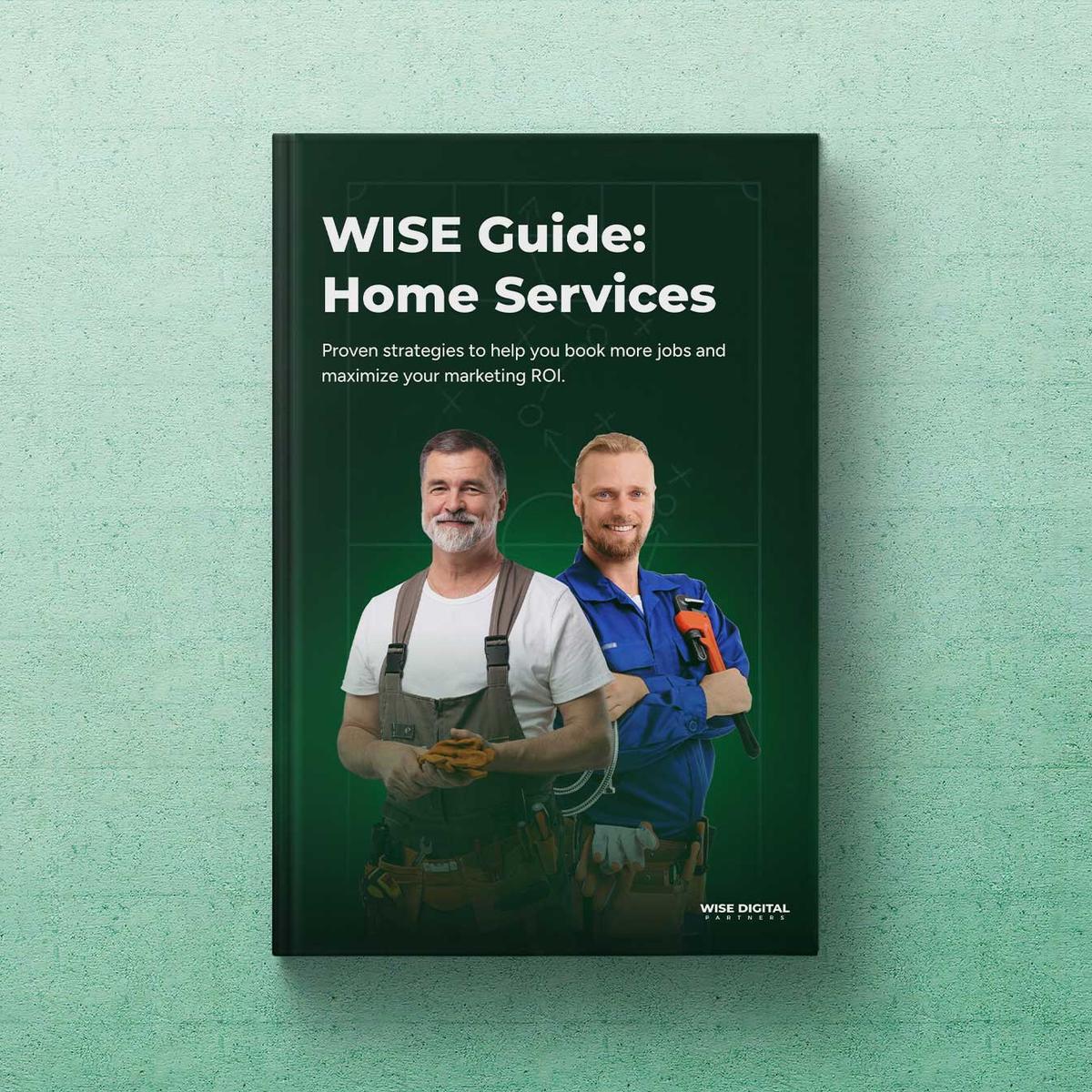
Enter the email you would like your guide sent to:
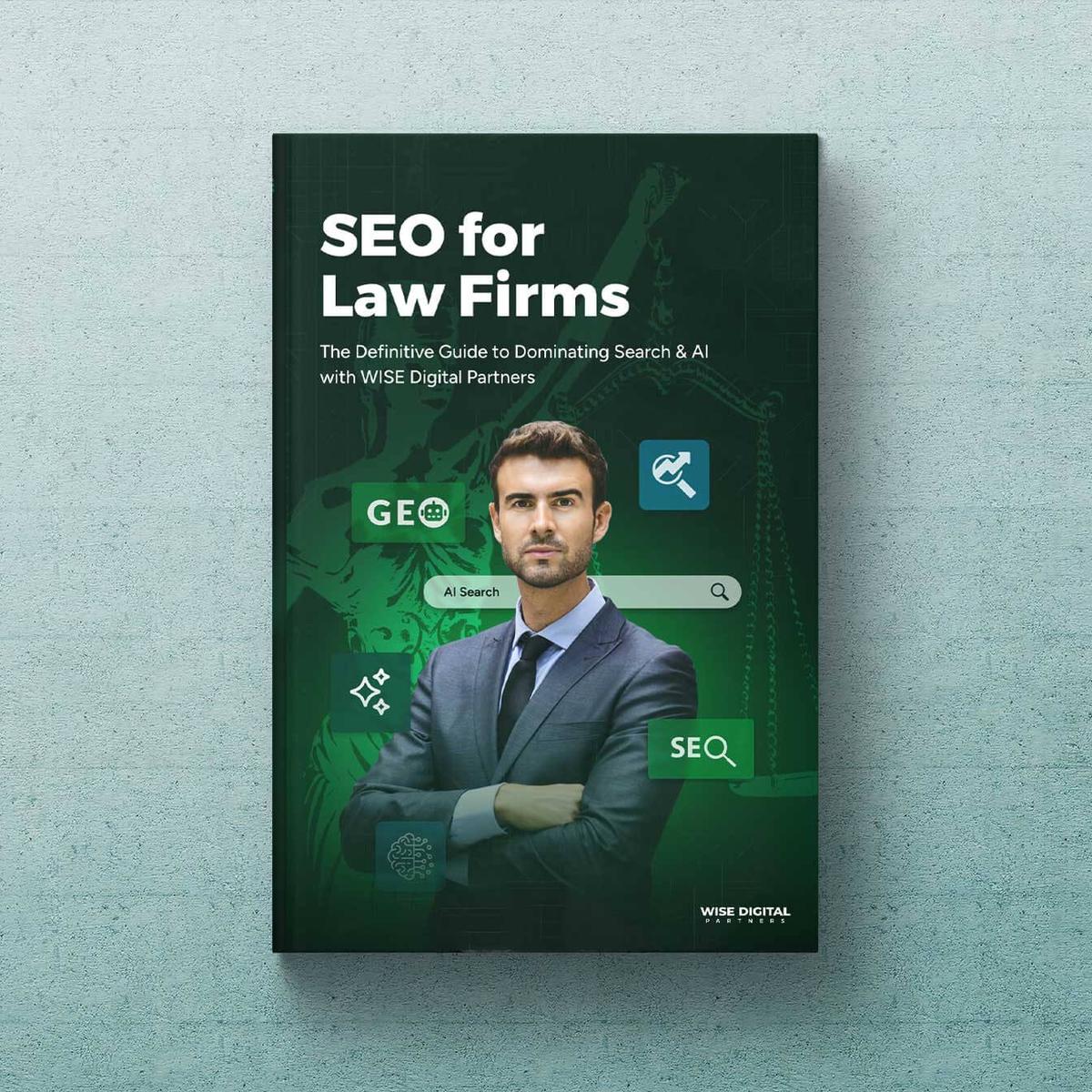
Enter the email you would like your guide sent to:
Apply Today
Please fill out the information below. Someone on our team will reach out in 3-5 business days to schedule a call if we see a good fit.
Book Patrick Dillon
Thanks for your interest in booking WISE CEO Patrick Dillon on your podcast! Please complete the form below, and a team member will contact you shortly.
Remove Negative Reviews.


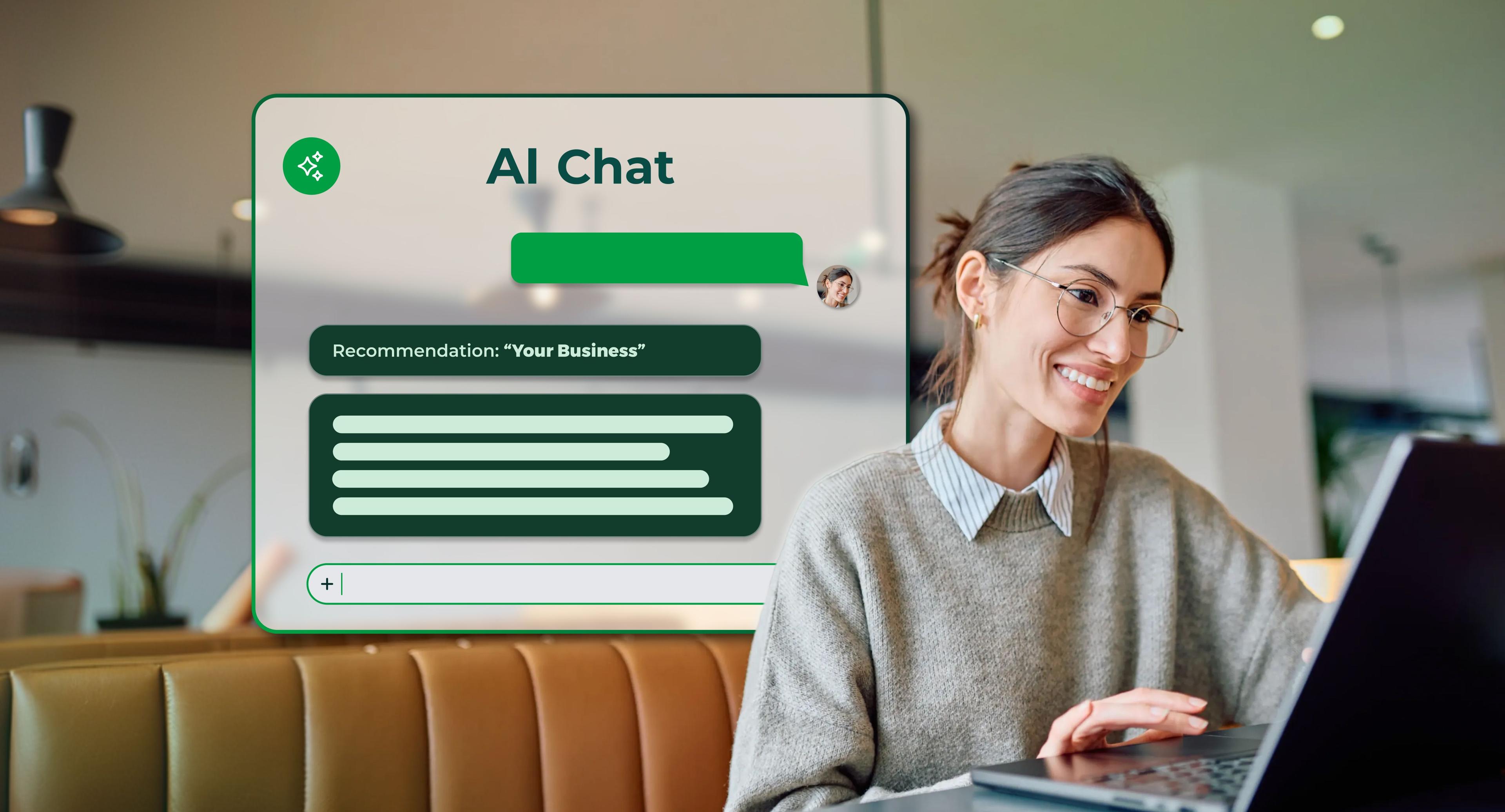
Are you trying to get your business ranked online, or to get it recommended? There's a difference, and it matters more right now than it ever has.
Your potential clients aren't necessarily scrolling through Google results anymore. They're asking AI a question: "Who's a good CPA near me?" or "What law firm handles this?" And the AI doesn't hand them a list to sort through. It gives them a name. One name, maybe two.
The question is whether that name is yours.
Google Ranks You. AI Recommends You. That's a Fundamentally Different Game.
For decades, Google search worked the same way. You typed in a question, and Google handed you a list of results. Ten blue links. The searcher’s job was to figure out which one actually answered their question. The search engine's job was to rank pages. Your business's job was to be on page one.
AI search works on a completely different model. When someone asks ChatGPT, Gemini, or Perplexity a question, it doesn't hand them a list to sort through. It reads across hundreds of sources, evaluates which ones are most credible, and delivers a direct answer, often with a specific business name attached.
The Scale of This Shift
This isn't a niche trend. ChatGPT alone has over 900 million weekly active users, more than doubling in a single year (OpenAI, February 2026). Google's AI Overviews appear on roughly one in four U.S. searches (Conductor, Q1 2026). When someone searches for an accountant, an attorney, or a financial advisor, there's a growing chance the first thing they see isn't a list of websites. It's AI telling them who to call.
You may not be tracking AI referrals in your analytics yet. But the early data is striking. Every major study finds the same pattern: visitors who arrive via AI recommendations convert at meaningfully higher rates than those from organic search, with the advantage ranging from 1.5x to over 20x depending on the industry. The volume is still small. But the quality is unmistakable.
From Found to Chosen
Think about what that means in practice. In traditional search, you need to rank well and hope someone clicks. With AI, you're either the recommendation or you don't exist. There's no second page.
These visitors arrive further along in their decision. They've already described their problem, received a synthesized answer, and chosen to click through. They're confirming a choice, not starting a search.
The shift isn't from one search engine to another. It's from a world where you competed to be found to a world where you need to be chosen by a machine before a prospect ever sees your name.
The Three Things AI Evaluates Before It Recommends Your Business
AI recommendation isn't random. There's a logic to how these systems decide which businesses deserve a mention and which ones get passed over. Once you see the framework, it's surprisingly intuitive. AI evaluates three things about your business before it will recommend you.
Can AI Understand What You Do?
This is the most foundational question, and it's the one almost nobody talks about.
Behind every website, there's a layer of code that communicates with search engines and AI systems. This code, often called structured data (think of it as a machine-readable summary of your business), tells AI what you do, where you are, and how you fit into your industry. It's the difference between a website that a human can read and a website that AI can understand, classify, and act on.
Most websites don't have this set up well. The site might look polished and professional to a visitor, but to an AI system trying to decide whether to recommend you, it's a jumble of text with no clear structure. If AI can't confidently classify what your business does, it won't recommend you. It's that straightforward.
Does AI Trust You?
AI systems assess credibility the way a thorough, skeptical researcher would. They're running a reference check on your business and pulling everything they can find.
AI checks whether you demonstrate genuine expertise in your field. It looks for credible sources that mention your business. It evaluates whether your reviews are strong, recent, and consistent. And it cross-references your business information across every platform where it appears: your website, your directory listings, your Google Business Profile, third-party publications. Inconsistencies erode the confidence AI needs to put your name forward.
Think of it this way: if a trusted colleague asked you to recommend an accountant and you found conflicting information about them online, you'd hesitate. AI does the same thing.
Does Your Content Add Something New to the Conversation?
This is what makes the difference between being one of many and being the one AI cites. In the world of AI search, there's a concept called "information gain," and it's one of the most important factors in whether your content gets recommended.
Information gain, put simply, is whether your content adds something new. If your website says the same thing as every other firm in your market, using the same language, covering the same ground, answering the same surface-level questions, AI has no reason to choose you over anyone else. You're interchangeable.
But if your content demonstrates genuine expertise, if it answers questions your competitors haven't thought to address, if it reflects real experience with real specificity, that's information gain. That's what earns a citation. In WISE's framework, we call this citation engineering: designing content to be found, understood, and cited by AI as a credible source.
The businesses earning AI recommendations aren't producing more content than their competitors. They're producing content that says something their competitors can't.
Traditional SEO Isn't Dead. It's the Foundation.
If you're wondering whether SEO still matters after all of this, the answer is emphatically yes. AI search doesn't replace traditional search. It builds on top of it.
Earlier this year, Google published research (the SAGE paper, January 2026) that shed light on how AI agents gather information to build their answers. One of the key findings is that AI agents typically draw from the top three pages in traditional search results when constructing their responses. If you're not ranking well in traditional search, you're unlikely to be the source AI draws from when it builds an answer.
This is a critical point. The shift from rankings to recommendations isn't a reason to abandon your SEO investment. It's a reason to build on it. Strong traditional SEO (the technical foundation, the local presence, the content authority) is what gets you into the pool of sources AI evaluates. Everything else we've covered, being understood, trusted, and worth citing, is what gets you chosen from that pool.
You need both. Ranking builds visibility. Being understood, trusted, and worth citing is what earns retrieval: the moment AI chooses to put your name forward.
Where Most Businesses Fall Short
If you're reading this and thinking your business probably isn't set up for any of this, you're likely right. And you're in good company.
Most businesses have a website that works perfectly well for human visitors but is essentially invisible to AI. The structured data isn't there, so AI can't confidently classify the business. The content covers the same ground as every competitor in the market, so there's no information gain to reward. The business's information is inconsistent across the directories, profiles, and platforms from which AI pulls its data.
None of this is because anyone did something wrong. It's because the rules changed. For twenty-five years, creating a good website meant building something that looked professional and ranked on Google. That was the whole game. And most businesses played it well.
The First-Mover Window Is Open Now
This shift was a long time coming. In 1999, Tim Berners-Lee, the inventor of the World Wide Web, predicted a "semantic web" where machines would talk to machines and "intelligent agents" would finally materialize. For a quarter century, that sounded like science fiction. It's not anymore. We're living in exactly the world he described. AI systems are reading, evaluating, and recommending businesses to real people making real decisions.
The businesses that recognize this shift early have a genuine first-mover advantage. The ones getting their digital presence ready for AI recommendation now are building visibility that compounds over time, much like early SEO investment compounded for businesses that took it seriously fifteen years ago. That window is open, but it won't stay open indefinitely.
What It Actually Takes to Become the Recommendation
Becoming the business AI recommends isn't about any single fix. It's about aligning three things that AI evaluates as a single unit. Here's where to focus.
Make Your Business Machine-Readable
Start with what AI sees when it looks at your website. Does your site have structured data that clearly identifies your business, services, location, and expertise? Can an AI system read your site and immediately classify what you do and who you serve? For most businesses, the answer is no, and this is the single highest-leverage fix. You can't be recommended if you can't be understood.
Build Trust Signals AI Can Verify
Your reviews, your directory listings, your Google Business Profile, your mentions in third-party publications: these are the reference points AI uses to decide whether you're credible. Audit your business information across every platform where it appears. Make sure your name, address, phone number, and service descriptions are consistent everywhere. Build your review volume and recency. Seek out mentions in credible, industry-relevant sources.
Create Content Worth Citing
Stop producing content that says what everyone else in your industry says. Start producing content that reflects what you actually know: the questions your clients ask that nobody else answers well, the patterns you've seen across years of practice, the specific expertise that makes you different. AI is measuring whether your content adds something new. Give it something worth recommending.
Each of these steps is understandable on its own. The challenge is making them work as a connected system, where your structured data tells AI what you do, your trust signals confirm that you're credible, and your content gives AI a reason to choose you over every alternative. When all three are aligned, you're not just optimized for AI. You're built to be the recommendation.
If your business is ready to move from ranked to recommended, we'd love to help you understand where you stand. Contact us to start the conversation.
Share
Subscribe to WISE Insights
Stay ahead of the digital marketing curve and never miss a lucrative trend or insightful tidbit – subscribe to our WISE blog!
Keep Reading




Build. Grow. Soar.
Get WISE about digital marketing with advanced services, industry experts, and cutting-edge tools designed for long-term, sustainable growth.