It's Time to Get WISE.
 15-Minute Consultation
A quick, honest call to assess your needs and point you in the right direction—no sales pitch. Best suited for:
- Established businesses with a defined marketing budget
- Businesses prepared to grow and scale
 60-Minute Strategy Session
A deep dive with a top expert to uncover gaps and map a smarter path forward.
- Includes a $250 digital audit covering your website, SEO, local presence, and online performance—yours to keep.
- Get smart, actionable ideas you can apply to your business right away.
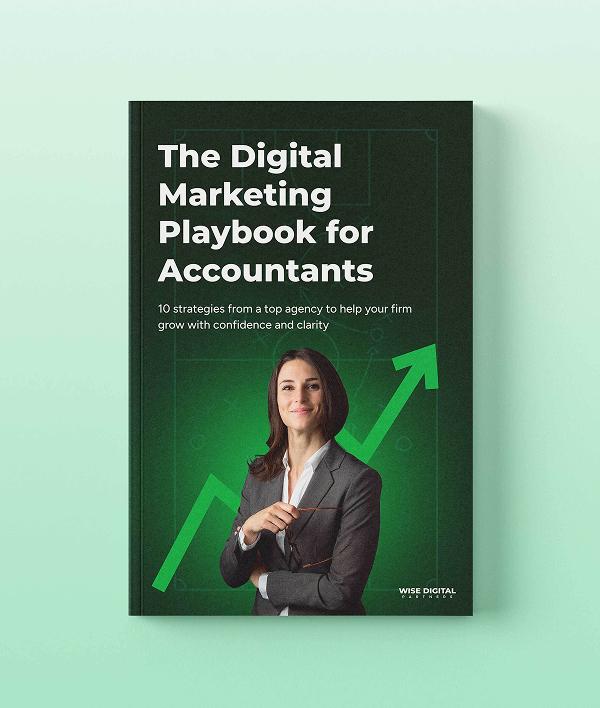
Enter the email you would like your guide sent to:
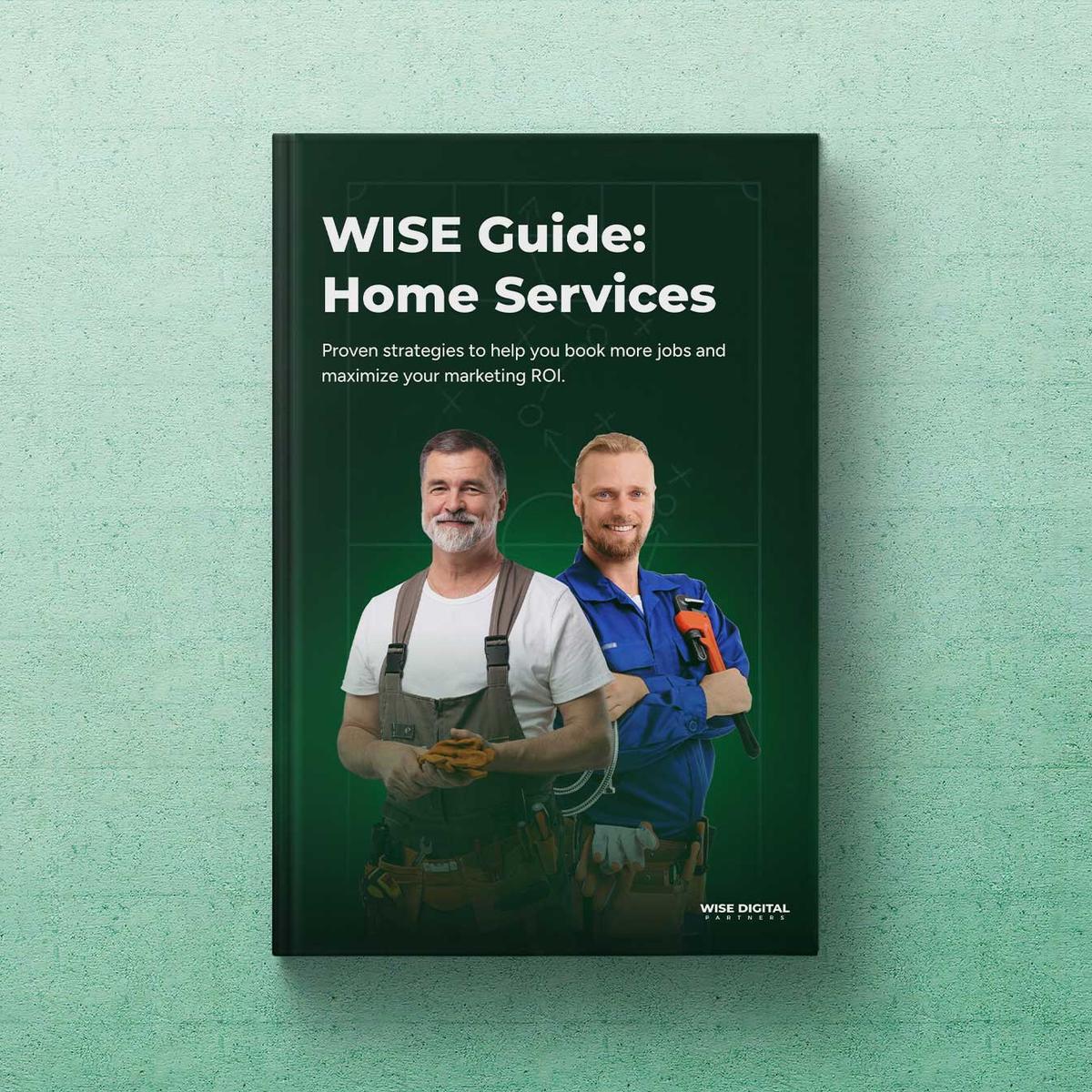
Enter the email you would like your guide sent to:
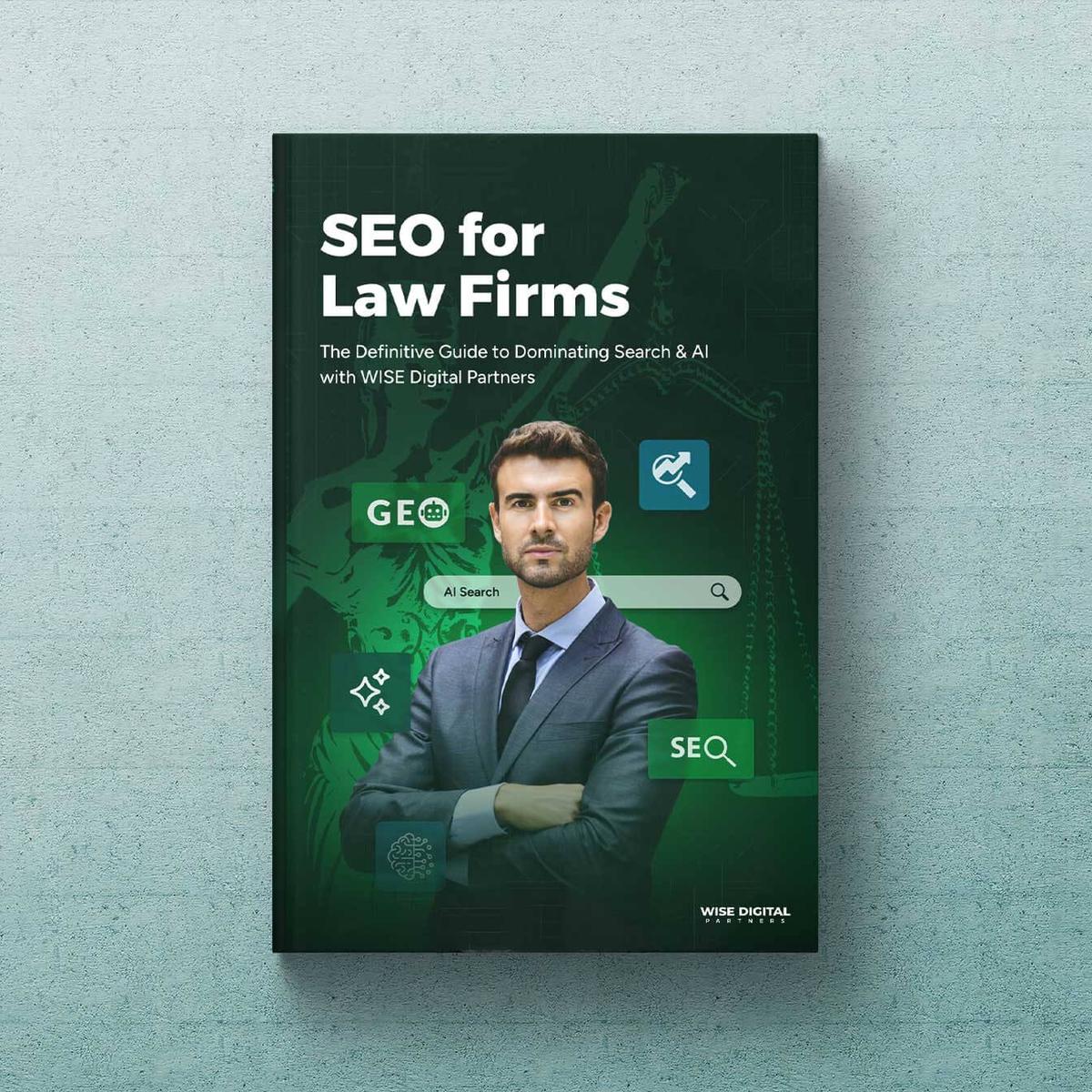
Enter the email you would like your guide sent to:
Apply Today
Please fill out the information below. Someone on our team will reach out in 3-5 business days to schedule a call if we see a good fit.
Book Patrick Dillon
Thanks for your interest in booking WISE CEO Patrick Dillon on your podcast! Please complete the form below, and a team member will contact you shortly.

Remove Negative Reviews.
AI Changed the Rules Every Small Business Should Know


by WISE Digital Partners
December 22, 2025
- 4 min read

For two decades, seeing your website at the top of Google search results was the digital equivalent of having the brightest neon sign on Main Street.
But AI-powered search changed everything, and it didn’t just dim your sign in the process—it moved the entire street and took your potential customers with it.
That’s not your fault.
Nonetheless, this is a pivotal moment for your business, and what you do now will determine whether AI includes you in the conversation or leaves you standing on a block no one visits anymore.
There is good news, though: If you know what’s changed, you’re already miles ahead of competitors who are still relying on the old SEO playbook.
Here’s what’s shifted, and how you can adapt.
SEO Isn’t Dead. It’s Just Not Enough Anymore
For years, earning a strong Google ranking came down to getting three things right:
- Targeting the right keywords
- Publishing SEO-rich content
- Maintaining a technically sound website
That hasn’t changed.
What has changed is that now, your website must do all that and be legible to AI-driven search systems. That shift is what’s rewriting the rules. Here’s what it looks like in the real world.
What AI-Powered Search Has Changed
People Aren’t Clicking Anymore
Google and AI tools now give users information directly in search results—zero clicking required. That means you can rank #1 on Google and still see fewer visits, leads, and phone calls.
Customers Aren’t Leaving AI Platforms
A growing number of users don’t use Google at all anymore. They’re asking questions directly inside AI platforms like ChatGPT and Claude. That means AI is the new gatekeeper; they (not Google) decide whether your business is visible.
People Are Searching in Full Sentences, Not Keywords
People aren’t using fragmented search queries like “roof repair San Diego” anymore. They’re asking full-blown questions:
- “Why is my roof leaking after the last storm?”
- “I need roof repair in San Diego today. What company should I call?”
If your website still relies on tired keyword tactics, AI has no idea what you do and won’t recommend you.
This is THE Biggest Shift in 25 Years
Maybe you’re tired of the AI hype (we are, too), but this is not that. It’s quite literally the biggest shift in search we’ve seen in 25 years. And if you take it seriously, you have a chance to take the lead while your competitors are still fumbling around in the dark.
What You Can Do Right Now
AI doesn’t evaluate your website the way humans do. It’s scanning for clarity, structure, and authority signals that tell people:
- Who you are
- What you do
- Whether you’re a trustworthy source of information
But here’s the thing: Most business websites weren’t written in a language AI speaks. That doesn’t mean you need to burn it all down, but it does mean you need to adapt. Here’s how.
Say What You Mean
AI systems are remarkably good at inferring meaning. So when you write, “We provide comprehensive home solutions tailored to your needs,” AI can take a good guess at what you mean.
The problem is that guessing is not enough. AI cannot make the connection between that phrase and the services you offer. And if AI can’t map it, it won’t recommend you.
Here’s the takeaway: Direct language boosts AI confidence. Jargon-heavy copy that sounds sexy but says nothing doesn’t. Cut the fluff, say what you mean, and write to what people are actually searching for.
Structure Your Website Correctly
A human can read a messy landing page and say, “Oh, they do plumbing and HVAC.” AI needs explicit structure to do that.
That means your website must have:
- Separate pages for each service you offer
- Headings that state exactly what’s on the page
- Organized content that focuses on one topic at a time
- Links between related pages so AI understands how services connect
Without that, AI cannot understand what each page is about and match it to the questions people are asking.
Be Consistent Everywhere
AI cross-checks your business across your entire digital footprint—your Google Business Profile, Yelp, industry directories, and even third-party data sources.
If your business hours and services don’t align across those platforms, AI confidence tanks. So do the odds of getting recommended to users.
The solution? Be consistent everywhere. Make sure your hours, services, and business descriptions match on every platform you appear.
What This Seismic Shift Means For Your Business
Is there more you can do to strengthen your visibility? Absolutely. But these are the fundamentals. Many businesses can improve search results simply by:
- Writing clear, authoritative content
- Structuring their websites correctly
- And staying consistent across every platform
What most owners don’t have time for is keeping up with a moving target. And that’s exactly what AI-driven search has become.
The landscape keeps changing, and unfortunately, many of the businesses that come to us are working with agencies that still rely on outdated SEO tactics.
That’s why we launched our AI Visibility program and tested it on our own business.
The results were astonishing: In 2025 alone, we traced $500,000 in new client contracts directly back to AI-driven recommendations. It worked for us, and now it’s working for our clients.
If your website is already positioned for AI-first search, you’re in good hands. But if it isn’t, let’s talk.
Share
Subscribe to WISE Insights
Stay ahead of the digital marketing curve and never miss a lucrative trend or insightful tidbit – subscribe to our WISE blog!
Keep Reading



Build. Grow. Soar.
Get WISE about digital marketing with advanced services, industry experts, and cutting-edge tools designed for long-term, sustainable growth.