It's Time to Get WISE.
 15-Minute Consultation
A quick, honest call to assess your needs and point you in the right direction—no sales pitch. Best suited for:
- Established businesses with a defined marketing budget
- Businesses prepared to grow and scale
 60-Minute Strategy Session
A deep dive with a top expert to uncover gaps and map a smarter path forward.
- Includes a $250 digital audit covering your website, SEO, local presence, and online performance—yours to keep.
- Get smart, actionable ideas you can apply to your business right away.
Enter the email you would like your guide sent to:

Enter the email you would like your guide sent to:
Enter the email you would like your guide sent to:
Apply Today
Please fill out the information below. Someone on our team will reach out in 3-5 business days to schedule a call if we see a good fit.
Book Patrick Dillon
Thanks for your interest in booking WISE CEO Patrick Dillon on your podcast! Please complete the form below, and a team member will contact you shortly.

Remove Negative Reviews.
Marketing Isn’t Advertising & Why That Mistake Costs More


by WISE Digital Partners
January 30, 2026
- 3 min read

At some point, you’ve probably invested in “marketing” that walked and talked like a real strategy but ended up being, well, not marketing.
Maybe you partnered with a vendor who made big promises about SEO, paid media, content development, or some combination of the above. There was a plan, timelines, and reports.
But at the end of the cycle, the vendor moved on. Meanwhile, your business looked pretty much the same as it did before, leaving you thinking, “Wait, what did I pay for?”
Unfortunately, that experience is far more common than you’d think. And in most cases, it’s not that you were intentionally left holding the bag. It’s that the “marketing strategy” you were sold was incomplete.
Here’s why.
How Marketing Gets Sold (And Why That’s the Problem)
Most marketing doesn’t fail because the work is inherently bad. It fails because it’s sold in pieces, by specialists.
One firm does SEO.
Another runs ads.
Another handles PR or content.
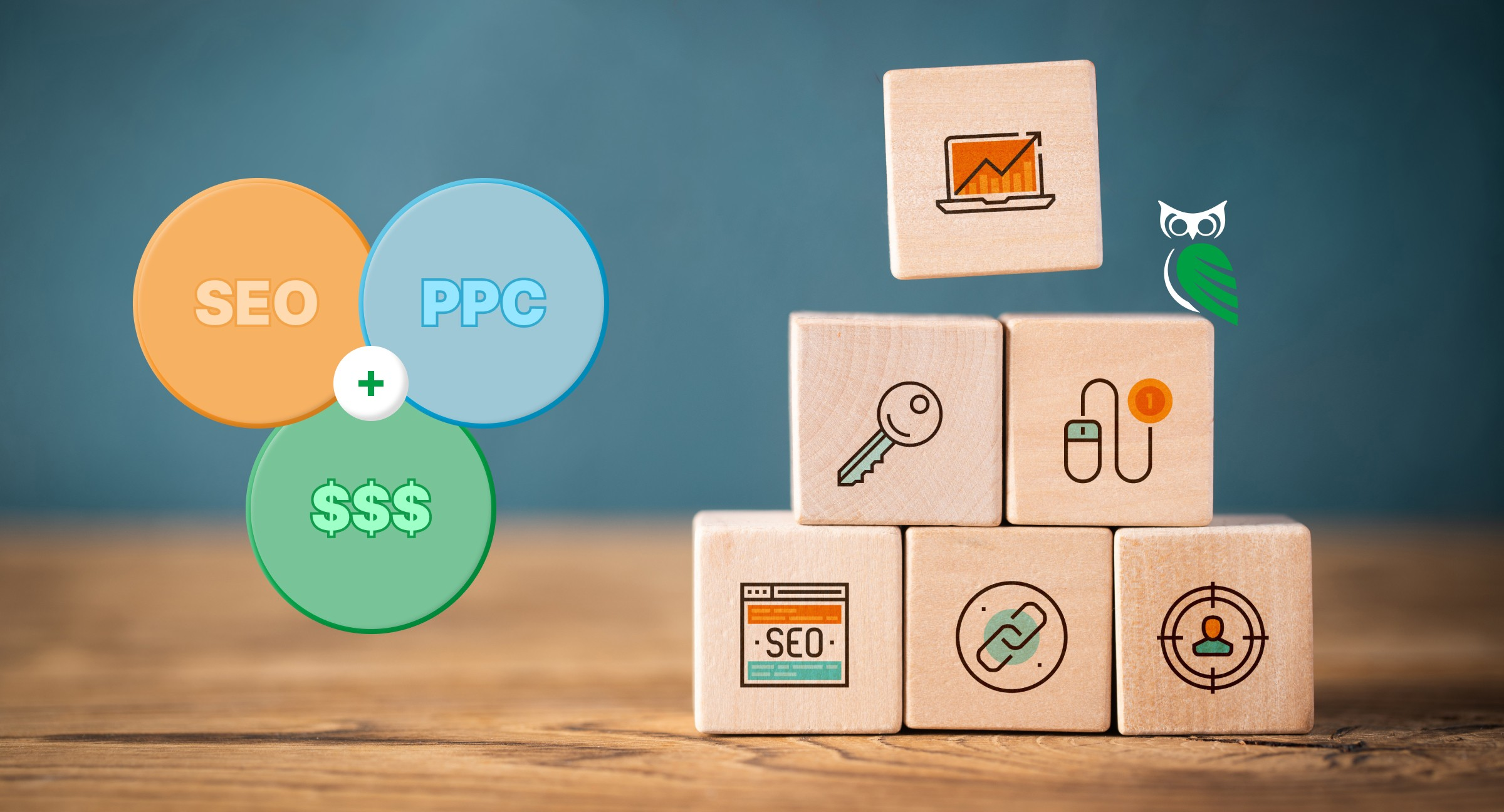
Each specialist does what they do, reports on their metrics, and moves on. The problem isn’t competence. It’s that SEO, paid media, PR, content, and websites are parts of marketing—not marketing itself.
And when no one is responsible for how those parts connect, the results are disappointing and expensive. At the end, you’re stuck with a big bill, unfinished work, and little to show for it.
What a Marketing Plan Really Is
A real marketing plan isn’t a collection of tactics that get stitched together over time.
It’s two related decisions you make deliberately, and in order.
Decide Your Role
Before you can build an effective marketing strategy, you have to answer a few fundamental questions
- Who are we trying to attract right now? If the answer is “everyone,” what you’re really saying is “we don’t want to rule anyone out.” That hesitation shows up immediately in your messaging, and it’s often why nothing lands.
- What problem do we want to be known for solving? If the answer is “everything we do,” you’re not giving anyone a reason to choose you. Instead, focus on the problem your best clients already feel and are actively trying to fix.
- What should someone understand about us before they ever talk to sales? If you’re spending the first part of sales calls explaining what you do, marketing hasn’t done enough work before that call.
This may sound like a brand identity exercise. It isn’t.
It’s forced decision-making—deciding who you’re for, what you’re not, and accepting the tradeoffs that come with that choice. Without those decisions, you’ll flounder, chase quick fixes, and end up exactly where you started.
Make Sure the Pieces All Support the Plan
This is where most marketing strategies quietly fail—when businesses try to “part out” marketing to different vendors at different times.
But marketing doesn't work that way. When one piece is missing, the others suffer. Think about it this way:
- If people can’t find you, awesome content doesn’t matter. That’s what SEO solves.
- If people can find you but don’t understand what you do, they won’t call. That’s a copy and design problem.
- If your site is slow, confusing, or vague, people bounce. That’s a development problem.
- If you rely only on organic traffic and referrals, demand will be inconsistent. Paid media helps bridge that gap.
Do you need to invest equally in SEO, paid media, copy, and everything else? No, but you do need to understand what breaks when one part of the architecture is removed.
And that’s the fundamental difference between advertising and marketing.
- Advertising reacts, piecing together different tactics and different times.
- Marketing plans ahead, ensuring every piece supports the others and works toward a shared outcome.
Stop Managing Vendors. Start Running Your Business
If this sounds familiar, it’s because many business owners end up in the same place.
Maybe you’ve worked with a marketing partner who promised the world and delivered activity—not actual progress. Or maybe you’re trying to stitch together SEO, paid media, content, and a website in-house.
If you’re done managing disconnected vendors and want a cohesive marketing plan that actually produces results, reach out. We’d love to talk.
Share
Subscribe to WISE Insights
Stay ahead of the digital marketing curve and never miss a lucrative trend or insightful tidbit – subscribe to our WISE blog!
Keep Reading




Build. Grow. Soar.
Get WISE about digital marketing with advanced services, industry experts, and cutting-edge tools designed for long-term, sustainable growth.