It's Time to Get WISE.
 15-Minute Consultation
A quick, honest call to assess your needs and point you in the right direction—no sales pitch. Best suited for:
- Established businesses with a defined marketing budget
- Businesses prepared to grow and scale
 60-Minute Strategy Session
A deep dive with a top expert to uncover gaps and map a smarter path forward.
- Includes a $250 digital audit covering your website, SEO, local presence, and online performance—yours to keep.
- Get smart, actionable ideas you can apply to your business right away.
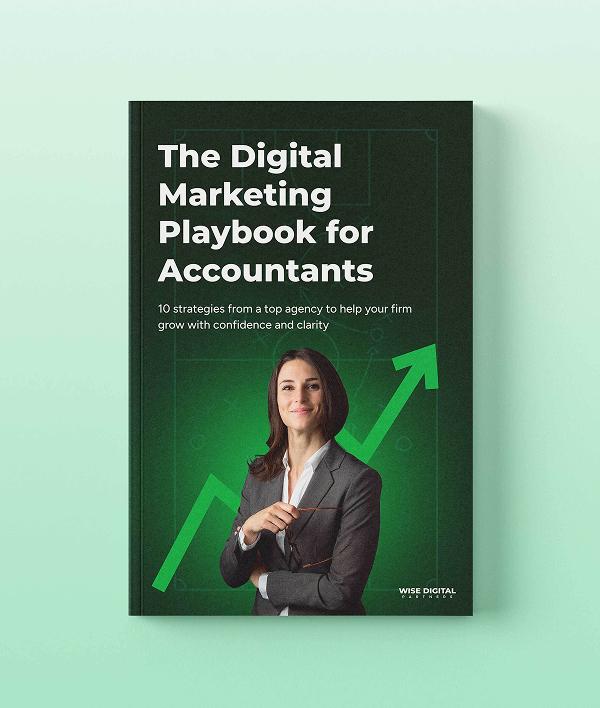
Enter the email you would like your guide sent to:
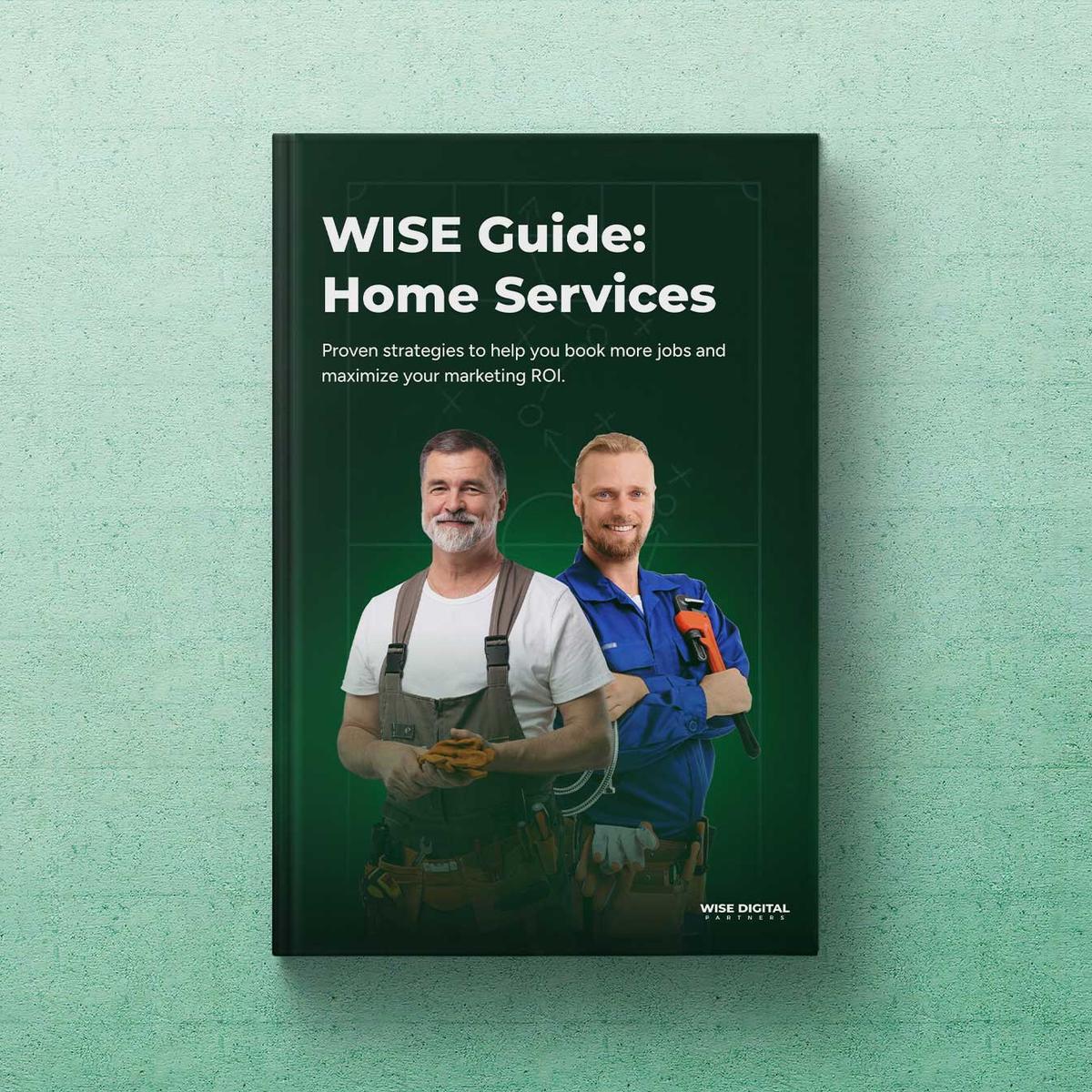
Enter the email you would like your guide sent to:
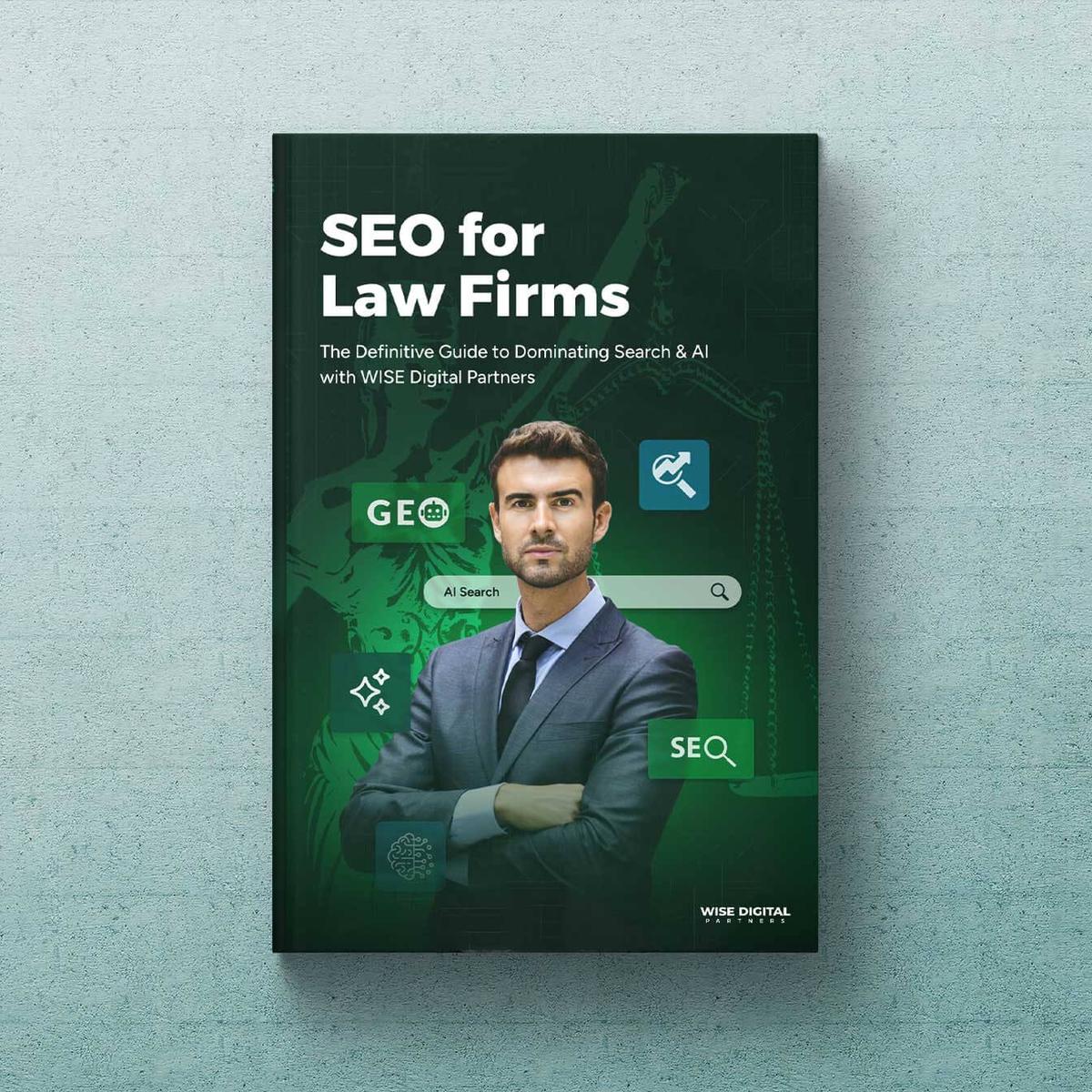
Enter the email you would like your guide sent to:
Apply Today
Please fill out the information below. Someone on our team will reach out in 3-5 business days to schedule a call if we see a good fit.
Book Patrick Dillon
Thanks for your interest in booking WISE CEO Patrick Dillon on your podcast! Please complete the form below, and a team member will contact you shortly.

Remove Negative Reviews.
Why We Sometimes Change Our Logos for the Right Reasons


December 19, 2025
- 8 min read
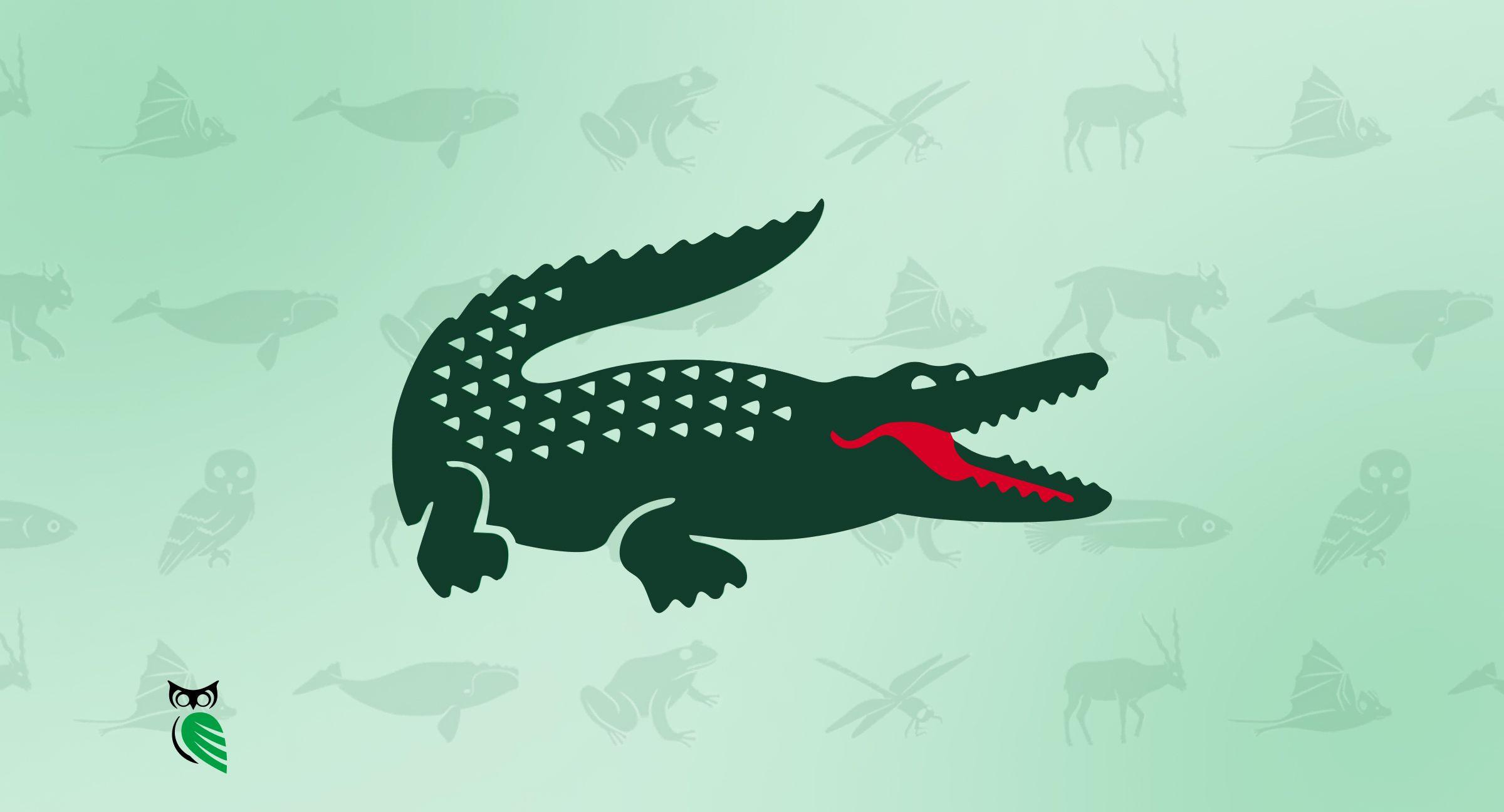
Ever since I was a kid, I’ve admired the power of a great logo. The Nike swoosh. The Apple icon. The Lacoste alligator. Symbols so strong, they speak volumes even without a single word.
When I began ideating the WISE brand in 2016, I knew immediately that the owl would be our mark. It was obvious (wisdom, of course) but also deliberate. I come from a fashion background (my first company launched back in 2007), so I thought hard about how a single logo could live beautifully across not just digital platforms, but on apparel too. I kept coming back to Lacoste.
There’s a class in subtlety that Lacoste has mastered. The green crocodile is iconic not because it shouts, but because it holds space. It adds meaning to a garment. So when we started developing the owl officially in 2019, Lacoste’s legacy was front of mind. The discipline, the restraint, the storytelling through symbol.
The Origin of Lacoste’s Crocodile Logo
The Lacoste brand is inseparable from its little green crocodile – a logo born from an extraordinary personal story. In 1923, French tennis star René Lacoste wagered with his team captain: if he won a key match, he’d receive an alligator-skin suitcase he’d spotted in a Boston shop window.
Lacoste ultimately lost the match, but his tenacity on the court caught the eye of an American journalist. The writer quipped that although Lacoste didn’t win the suitcase, he “fought like a true crocodile” in the match.
The nickname “The Alligator” (which soon morphed into “The Crocodile” when translated back in France) stuck with René Lacoste for life. Embracing this fierce moniker as a symbol of his grit and determination, Lacoste had a friend sketch a crocodile design. By 1927, he proudly embroidered the crocodile on his blazers.
The crocodile emblem on a polo shirt made Lacoste one of the first brands ever to display a visible logo on clothing. This early use of a logo as an outward identity was groundbreaking. The green crocodile quickly became an icon of sportswear elegance and competitive spirit.
The Crocodile Steps Aside for Endangered Species
Lacoste’s limited-edition “Save Our Species” polo shirts replaced the iconic crocodile with emblems of ten different endangered species. The quantity produced for each design was limited to the number of animals left in the wild, making each logo as rare as its real-life counterpart.
Fast-forward to 2018: Lacoste did something unprecedented in its 85-year history. The brand temporarily left its famous crocodile logo aside, removing it from their classic polos, to make room for other animals that needed a voice. In partnership with the International Union for Conservation of Nature (IUCN), Lacoste launched a limited-edition line of polo shirts featuring 10 endangered species in place of the usual crocodile logo.
Check out: Lacoste x Save Our Species
This move was part of the “Save Our Species” campaign aimed at raising awareness about wildlife conservation. Each logo was inspired by Lacoste’s style (matching the embroidered look and scale of the original croc). And each species was carefully chosen for its urgent conservation status.
What made this campaign so powerful was its focus on authenticity and tangibility. Rather than mass-producing the new designs, only 1,775 shirts issued by Lacosteach species’ logo were produced in a quantity that corresponded to the remaining population of that animal in the wild.
For example, one design featured the critically endangered Vaquita porpoise, of which only about 30 remain. So just 30 polo shirts bore the Vaquita logo. Other shirts had logos of animals like the Kakapo parrot, Javan rhino, Sumatran tiger, and Anegada iguana, with numbers manufactured to match their dwindling wild counts.
At about $180 per shirt, all proceeds went directly to IUCN to support wildlife conservation efforts. By tying each logo’s scarcity to the actual plight of a species, the campaign turned Lacoste’s polos into storytelling devices. Each shirt was a conversation starter about an endangered animal’s fight for survival.
The public response was overwhelmingly positive. The special edition polos sold out almost immediately (some reports say within hours of launch), and the campaign garnered huge praise on social media for its creativity and purpose.
Fans celebrated the brand for “making way” for endangered species and clamored to get their hands on these meaningful collectibles. The hashtag #LacosteSaveOurSpecies gained traction, and even those who couldn’t buy a shirt felt involved by spreading the campaign’s message.
By stepping outside its usual branding playbook, Lacoste generated fresh buzz in the fashion world while educating a new audience about species conservation.
Aligning Brand Ethos with Cause for Lasting Impact
Why is this logo swap such a remarkable example of cause-driven branding? A big reason is that it felt true to Lacoste’s DNA. The crocodile logo was born from a story of perseverance and strength – qualities that defined both a tennis legend and his company. Decades later, that same symbol was humbly sacrificed for a greater good: helping preserve wildlife, including the real-life crocodiles and other creatures that share our planet.
This isn’t the first time Lacoste has shown commitment to its emblem’s ethos; the brand began a program in 2009 to help protect the ecosystems where crocodiles live. Caring for endangered animals isn’t a random marketing stunt for Lacoste; it’s a cause that resonates with the brand’s history and values. By choosing a campaign so closely tied to its original ethos, Lacoste ensured the effort came across as authentic rather than opportunistic.
From a branding perspective, Lacoste’s bold deviation from its core logo teaches us a few key lessons about creating unique and lasting impact:
- Stay Authentic to Your Story: Lacoste’s campaign worked because it extended the brand’s own story.
- Be Bold and Purposeful: Swapping out one of the most iconic logos in fashion was a bold move that grabbed global attention.
- Make the Impact Concrete: Linking logo scarcity to real-world data made the cause concrete. Consumers understood the urgency and felt part of something meaningful.
In the end, Lacoste’s temporary logo deviation did more than sell some polos – it told a story and sparked conversations that continue to enhance the brand’s legacy. It showed that even an established brand icon can be reinvented in service of a cause, without diluting the brand identity.
Lacoste’s identity was strengthened: the little green crocodile now stands not just for sporty elegance, but also for wildlife conservation and caring for something greater than itself. This campaign will be remembered as a milestone where branding met purpose. And it challenges other brands to ask: What do we stand for, and how far will we go to make a difference?
By deviating from the core logo in a way that honors the brand’s ethos, Lacoste created a unique, lasting impact. It’s one that resonates with audiences and lives on as a shining example of cause-driven marketing done right.
How to Get Started
Ready to make a change to your brand? Schedule a free 15-minute consultation or a 1-hour paid strategy session that includes a comprehensive conversation about your brand and online foundation. Book Patrick now.
More Resources
- Explore our digital marketing services to learn more about what we do
- Get expert insights from me and the WISE team on our blog
Share
Subscribe to WISE Insights
Stay ahead of the digital marketing curve and never miss a lucrative trend or insightful tidbit – subscribe to our WISE blog!
Keep Reading


Build. Grow. Soar.
Get WISE about digital marketing with advanced services, industry experts, and cutting-edge tools designed for long-term, sustainable growth.