It's Time to Get WISE.
 15-Minute Consultation
A quick, honest call to assess your needs and point you in the right direction—no sales pitch. Best suited for:
- Established businesses with a defined marketing budget
- Businesses prepared to grow and scale
 60-Minute Strategy Session
A deep dive with a top expert to uncover gaps and map a smarter path forward.
- Includes a $250 digital audit covering your website, SEO, local presence, and online performance—yours to keep.
- Get smart, actionable ideas you can apply to your business right away.
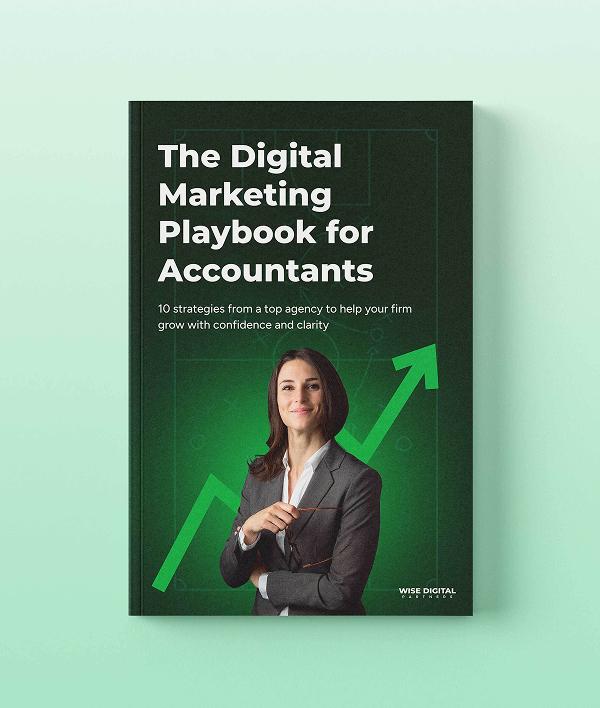
Enter the email you would like your guide sent to:

Enter the email you would like your guide sent to:

Enter the email you would like your guide sent to:
Apply Today
Please fill out the information below. Someone on our team will reach out in 3-5 business days to schedule a call if we see a good fit.
Book Patrick Dillon
Thanks for your interest in booking WISE CEO Patrick Dillon on your podcast! Please complete the form below, and a team member will contact you shortly.

Remove Negative Reviews.
Website Platform Isn't Your Accounting Firm's Problem. Strategy Is.


by WISE Digital Partners
June 24, 2026
- 7 min read

If you're running an established accounting firm and your website isn't generating the kind of client inquiries you expected, the first thing you probably did was look at the platform. WordPress feels clunky. Squarespace looks polished but limited. Maybe an industry-specific provider pitched you a prebuilt solution designed specifically for CPAs.
So you started comparing. Reading reviews. Asking peers at conferences what they use. You're trying to make a smart decision, and that instinct makes sense. You're an analytical professional. Comparing options before committing is what you do for your own clients every day.
But here's the issue: the comparison itself is pulling your attention in the wrong direction.
Why "Which Platform Should I Use?" Is the Wrong Starting Point
Where and how you build your website does matter. WordPress gives you flexibility but requires constant maintenance and plugin management. Squarespace and Wix offer simplicity but limited customization. Industry-specific builders promise a shortcut with templates designed for accounting firms, but those templates are the same ones your competitors are using down the street.
If you want a detailed breakdown of the platform landscape and where each option falls short, we've already written that comparison. It's worth reading.
What No Platform Comparison Will Tell You
The bigger point is this: the platform is one layer of a much larger system. It affects speed, security, and technical flexibility, and those things matter. But the platform doesn't determine whether prospects find you online, whether they trust you enough to pick up the phone, or whether your intake process converts the leads you do get. Those outcomes depend on how your positioning, visibility, content, and conversion strategy (the calls to action, trust signals, and intake processes that turn visitors into leads) work together.
A platform comparison can't tell you any of that. And most firms never ask those questions.
The Platform Isn't What's Keeping Clients From Finding You
When an accounting firm's website isn't generating clients, the instinct is to blame something visible: the design looks dated, the site loads slowly, the platform feels limited. But those are surface-level symptoms. The forces that actually determine whether your firm gets found, considered, and contacted are strategic and tend to be invisible from the inside.
No Clear Positioning
You've probably described your services accurately on your website. That's not the problem. The problem is that your website describes what you do (tax preparation, bookkeeping, advisory services) the same way every other firm describes it. A prospect comparing three firms on the same search results page has no reason to choose you over the next option.
No Search or AI Visibility Strategy
Your site exists, but it's not showing up where your prospects are looking. That includes Google, but increasingly it also includes AI platforms like ChatGPT and Google AI Overviews, where prospects are asking "who should I hire for accounting services near me?" and getting direct recommendations.
No Strategy for Turning Visitors Into Leads
You have a contact page with a phone number and a form. That's not a conversion strategy. That's a dead end for the vast majority of visitors who aren't ready to call on their first visit but might convert with the right trust signals, clear next steps, and a reason to come back.
No Content Building Your Authority
If your site has five pages and a blog that hasn't been updated in two years, search engines and AI systems have very little to work with when deciding whether to surface your firm.
You could migrate to the most technically advanced platform available tomorrow. If these four things aren't addressed, you'll get the same results on a shinier website.
Why Accounting Firms Fall Into the Rebuild Trap
The rebuild trap isn't about building a new website. It's about believing that building a new website will solve the problem.
Accounting firm owners are analytical by nature. When something isn't working, you diagnose the variable you can see. The website is the most visible part of your digital presence, so it’s the default thing to fix. And platform providers reinforce this instinct. Their entire pitch is built around the idea that switching to their platform is the missing piece: "Your site is slow? Move to us. Your template looks generic. Try our accounting-specific designs."
So you invest in a rebuild, launch a new site, and wait. And when the leads still don't materialize the way you expected, the conclusion feels obvious: maybe you chose the wrong platform. Maybe the design wasn't quite right. Maybe next time.
But the website was never the real variable. The positioning, the visibility strategy, the content, the conversion strategy, everything upstream of the platform, stayed the same through the rebuild. A new website with the same strategy gaps will produce the same results, regardless of what it's built on.
What Actually Gets Accounting Firms More Clients
The firms that consistently generate clients online aren't doing it because they picked the right platform. They're doing it because they built a system where three things work together: clear positioning, predictable visibility, and a website that converts. When any one of those pieces is missing or disconnected from the others, the whole system underperforms.
Growth doesn't happen randomly. It follows a system. And the website is only one component of it.
It Starts With Positioning, Not Design
Before you choose a color palette or debate homepage banner options, you need to answer a more fundamental question: who is this site for, and why should they choose you?
If your answer is "small business owners who need accounting services," you've just described every CPA firm in your market. That's not positioning. That's a category label.
Positioning means defining your ideal client profile with specificity: the industries you serve, the size of businesses you work with, and the problems you solve that other firms don't. It means fixing the commoditized language that makes your firm interchangeable with every other result on the page.
This work isn't glamorous. It doesn't involve mockups or wireframes. But it determines whether everything that comes after, the design, the content, the messaging, the calls to action, actually resonates with the people you want to reach.
Visibility Comes Before Your Website Does Its Job
Your website can't convert the traffic it doesn't get. And getting found in 2026 is a more complex challenge than it was even two years ago.
Traditional search visibility still matters. Your firm needs to show up when prospects search for accounting services in your area, and that requires structured, intentional SEO work: technical foundations, content built around the topics your prospects actually care about, and a Google Business Profile that's accurate, active, and generating reviews.
But there's a newer layer now. AI platforms like ChatGPT, Perplexity, and Google's AI Overviews are answering prospect questions directly, and they're recommending specific firms. Whether your content is structured to be found, understood, and cited by these systems isn't a future concern. It's happening right now. This is what we call the shift from visibility to retrievability: it's no longer enough to rank. Your content needs to be designed so that AI systems treat it as a trusted source worth citing. That's citation engineering, and it's a fundamentally different discipline than traditional SEO.
Paid acquisition, directory visibility, and referral channels all feed into this as well. The point is that none of these is the website's job. They're the system that sends qualified prospects to your website. Without them, even a flawless site sits empty.
Your Website Is the Close, Not the Open
Once positioning and visibility are working, the website's role becomes clear: turn visitors into consultations.
This is where the platform conversation actually belongs. Speed, mobile performance, security, and technical reliability all matter at this stage. So do the strategic elements that most platform comparisons ignore entirely: clear calls to action placed at decision points throughout the site, not just on the contact page. Trust signals like real client testimonials with names, titles, and specific outcomes. Intake processes that reduce friction, like online scheduling and service-specific landing pages that speak directly to what the prospect searched for.
Your website should function as your firm's number one salesperson, working around the clock to pre-qualify prospects before they ever speak to a partner. But a salesperson without leads is just someone sitting at an empty desk. The platform powers the salesperson. The strategy creates the opportunity.
What a Strategy-First Approach Looks Like in Practice
Understanding the system is one thing. Building it is where most firms stall, because the individual pieces are manageable on their own, but connecting them into a coordinated growth plan requires a different kind of work.
Audit Before You Build
Before making any platform or design decisions, assess what you actually have. Where is your traffic coming from? What's converting and what isn't? How does your Google Business Profile compare to competitors in your market? Most firms skip this entirely and go straight to design preferences. The audit tells you where the real gaps are, and they're rarely where you assume.
Define Your Positioning Before You Touch Design
Articulate what makes your firm distinctive in concrete terms. Not "great service" and "experienced team," but the specific industries you serve, the problems you solve, and the outcomes your ideal clients actually care about. This becomes the foundation for your homepage messaging, service page structure, content topics, and ad targeting. Get this right, and the design decisions downstream become dramatically easier.
Build Visibility Into the Strategy From Day One
Your site can't convert traffic it doesn't get, and visibility doesn't happen by accident. SEO, AI discoverability, Google Business Profile management, directory presence, and paid acquisition all need to be planned alongside the website, not bolted on after launch. Firms that treat visibility as a phase-two project end up with a polished site that no one finds.
Design Every Page Around Conversion
Once positioning and visibility are in place, the website's job is to turn visitors into consultations. That means calls to action at decision points throughout the site, not just the contact page. It means trust signals, real testimonials, and intake processes that reduce friction. Every page should move the visitor one step closer to picking up the phone.
Each of these steps is straightforward in concept. The challenge is making them work as a connected system, where your positioning informs your content, your content drives your visibility, and your visibility feeds a site built to convert. That coordination across SEO, paid media, content, web design, and local presence is where most firms stall, because it requires every piece to pull in the same direction consistently.
Your Website Should Be Your Firm's Hardest-Working Salesperson
The platform debate isn't going away. There will always be a newer, faster, more specialized option to evaluate. But the firms that grow aren't the ones that found the perfect platform. They're the ones who built a strategy in which positioning, visibility, and conversion work together, and then chose the platform that supports it.
If your firm is ready to stop rebuilding and start building a system that actually generates clients, the first step isn't picking a platform. It's understanding where you stand today and mapping what needs to happen next.
That conversation is what we're here for. Contact us to start it.
Share
Subscribe to WISE Insights
Stay ahead of the digital marketing curve and never miss a lucrative trend or insightful tidbit – subscribe to our WISE blog!
Keep Reading




Build. Grow. Soar.
Get WISE about digital marketing with advanced services, industry experts, and cutting-edge tools designed for long-term, sustainable growth.